
San José del Cabo
Los Cabos – México
Snorkel con rayas mobula en San José del Cabo
Snorkel con Mantarrayas en Cabo y Tours de Safari de Vida Silvestre
Las rayas mobula constituyen uno de los encuentros con la fauna silvestre más fascinantes que se pueden vivir en el Mar de Cortés. De abril a julio, y en ocasiones durante los meses de invierno, grandes bancos de rayas mobula se reúnen a lo largo de la costa de Baja California Sur, creando uno de los espectáculos naturales más impresionantes de la región.
Bajo las condiciones adecuadas, se puede observar a estas elegantes mantarrayas nadando, alimentándose y, a veces, saltando fuera del agua en grupos sincronizados. Su migración estacional atrae a entusiastas de la vida silvestre, fotógrafos y buceadores de todo el mundo.
Los avistamientos de mantarrayas dependen completamente de las condiciones oceánicas, la estacionalidad y la actividad de la vida silvestre, que es lo que hace que cada experiencia sea única.
Nuestros tours de safari de vida silvestre en Cabo ofrecen la oportunidad de explorar el Mar de Cortés durante la temporada de mantarrayas mobula y experimentar la increíble diversidad de la vida marina de Baja.
¿Buscas una aventura de snorkel más amplia más allá de la temporada de mantarrayas mobula? Explora nuestro Cabo Excursiones de safari para observar la fauna en San José del Cabo.

Encuentros con la fauna silvestre según la temporada en Baja California Sur
El buceo con tuba entre las rayas mobula en Cabo ofrece una oportunidad única para presenciar una de las migraciones de fauna silvestre más impresionantes del Mar de Cortés. Durante la temporada alta, pueden aparecer grandes bancos de rayas mobula a lo largo de la costa de Baja California Sur, lo que atrae a buceadores, fotógrafos y amantes de la vida marina de todo el mundo. Muchos viajeros consideran que el esnórquel con rayas mobula en Cabo es una de las experiencias de vida silvestre estacionales más singulares de Baja California Sur.
Expediciones de Manta Raya Ampliadas
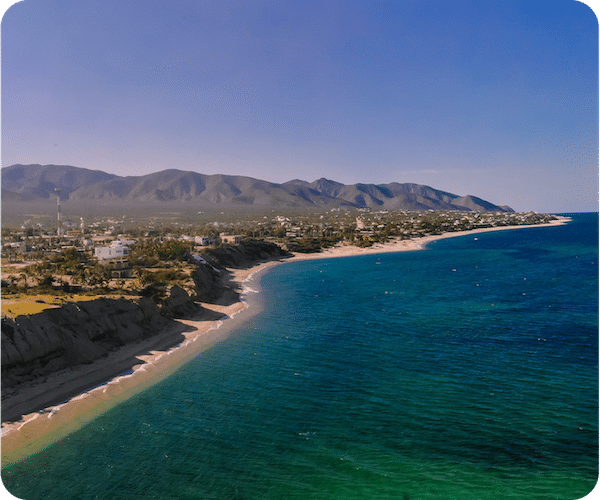
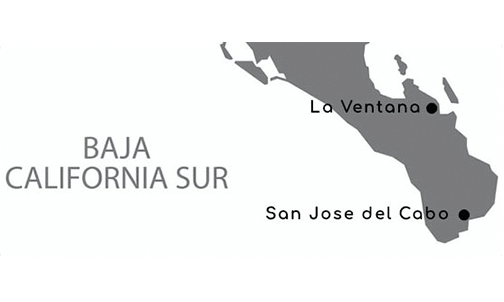
Descubre La Ventana: La Maravilla Natural Escondida de Baja
La Ventana, cerca de La Paz, se considera uno de los mejores lugares de América del Sur para observar grandes bancos de rayas mobula durante la temporada alta.
El dramático paisaje desértico se fusiona sin esfuerzo con majestuosas cordilleras, todo ello enmarcado por las aguas turquesas del Mar de Cortés.
De mayo a julio de cada año, el Mar de Cortés cobra vida cuando decenas de miles de mantarrayas mobula se congregan a lo largo de la costa. Este espectáculo natural es una de las mayores congregaciones de rayas en la Tierra, celebrado en documentales como el de la BBC. Planeta Azul y National Geographic.
Imagínate en una excursión de esnórquel con rayas mobula, rodeado de miles de elegantes rayas que se deslizan por el agua. Sus saltos sincronizados y sus fascinantes formaciones ofrecen una oportunidad única en la vida para presenciar uno de los espectáculos más impresionantes de la naturaleza. Esta migración anual de las rayas mobula es una oportunidad inolvidable para experimentar la magia de la vida marina de Baja California. Esta migración estacional sigue siendo uno de los eventos de vida silvestre marina más destacados de Baja California Sur.

Descubre las esquivas rayas Manta
Las rayas mobula, también conocidas como rayas diablo de Munk (Mobula munkiana), se encuentran entre los encuentros estacionales más fascinantes con la fauna marina en el Mar de Cortés. A pesar de las exhaustivas investigaciones, muchos aspectos de su comportamiento siguen siendo un misterio. Lo que sí se sabe, sin embargo, es su migración anual, en la que estas majestuosas criaturas se reúnen en grandes cantidades en las aguas ricas en nutrientes del Mar de Cortés. Esta migración ocurre dos veces al año: durante los meses de primavera y verano (de abril a julio) y nuevamente en otoño e invierno (de noviembre a enero), a lo largo de las costas de Baja California Sur.
Parientes más pequeños de las icónicas mantarrayas, las rayas mobula son atraídas al Mar de Cortés por su abundancia de plancton, su fuente de alimento esencial. Este rico entorno brinda a los buceadores en apnea una oportunidad única para embarcarse en una excursión de esnórquel con rayas mobula, experimentando enormes cardúmenes de rayas que se deslizan elegantemente bajo la superficie. Se cree que regresan anualmente para aparearse y reproducirse, sus visitas estacionales añaden una capa adicional de intriga a este espectáculo natural.
A pesar de su impresionante tamaño, las mantarrayas mobula son criaturas pacíficas y no agresivas. A menudo mantienen una distancia respetuosa de los buceadores, ofreciendo una experiencia serena pero cautivadora de buceo con mantarrayas mobula en Cabo para aquellos afortunados de presenciar este evento inspirador.